


-

Add: HeBei ShengShi HongBang Cellulose Technology CO.,LTD.
-

Email
13180486930@163.com -

CONTACT US
+86 13180486930


Kizuia Jasi Embracing Resilience and Strength In a world fraught with challenges, the concept of Kizuia Jasi emerges as a beacon of hope and resilience. This phrase, derived from theoretical notions in philosophical literature, embodies the essence of overcoming adversity and thriving despite life's uncertainties. Kizuia Jasi can be interpreted as a symbolic journey through pain and healing. It suggests that every scar we carry tells a story— a narrative of struggle, growth, and ultimately, transformation. Each experience of hardship shapes us, offering lessons that fortify our spirit and illuminate the path towards self-discovery. Kizuia Jasi Embracing Resilience and Strength Cultural narratives across the globe highlight the importance of resilience, and Kizuia Jasi aligns closely with these traditions. In many cultures, stories of heroes overcoming adversity serve as metaphors for human tenacity. From ancient mythologies to modern literature, the motif of the underdog triumphing against all odds inspires individuals to confront their fears and stand tall in the face of adversity. These narratives not only entertain but also instill a sense of possibility, reminding us that resilience is a universal human trait. kizuia jasi Moreover, Kizuia Jasi encourages introspection and self-awareness. Understanding our pain allows us to navigate the complexities of our emotions, transforming them into sources of strength. Journaling, therapy, and open dialogues about mental health can facilitate this understanding. By processing our experiences—whether they involve loss, failure, or personal setbacks—we create space for healing. This healing is not linear; rather, it comes in waves, ebbing and flowing as we traverse the landscape of our emotions. In embracing Kizuia Jasi, we also cultivate empathy towards others. Recognizing that everyone bears their own scars fosters compassion and connection. By sharing our stories of resilience, we create a community built on mutual understanding and support. In a society that often celebrates success without acknowledging the struggle behind it, Kizuia Jasi invites us to honor both the triumphs and the trials. As we navigate an increasingly complex world, the principles embodied in Kizuia Jasi remind us that resilience is empowered through community and shared experience. In moments of darkness, it is the bonds we forge with others that illuminate our path forward. We learn, we support, and we rise together. In conclusion, Kizuia Jasi serves as a powerful reminder that within each of us lies the capacity to weather storms and emerge stronger than before. It encourages us to embrace our scars, recognizing them as symbols of our journeys rather than marks of defeat. As we navigate the complexities of our lives, may we carry the spirit of Kizuia Jasi in our hearts— a testament to our resilience, our strength, and our unyielding capacity to rise above adversity. Through this embrace, we allow ourselves not only to survive but to flourish in the face of challenges, turning our pain into powerful narratives of hope and transformation.
- 40000tons

Production
- 20+years

Experience
- 5000+㎡

Acreage

-

6-Hydroxyethyl starch (6-HES) is a potent and invaluable tool in the medical field , particularly in the management of hypovolemia. As a synthetic, colloidal volume expander, 6-HES is utilized in scenarios where rapid restoration of fluid balance is necessary, such as during hemorrhagic shock or substantial surgical blood loss. With over several decades of clinical use, it has carved out a niche attributed to its expertise-driven formulation, trustworthiness in clinical outcomes, and the authoritative backing of scientific research. The structural foundation of 6-HES involves hydroxyethyl groups substituting hydroxyl groups on the starch molecule, enhancing its stability and biological half-life. This process results in reduced degradation by amylases, allowing for prolonged circulatory presence compared to simpler starch derivatives. This chemical sophistication yields significant expertise benefits, as it confers an expanded plasma volume for an extended duration, facilitating critical window periods for stabilization in emergency medicine. From an experiential viewpoint, 6-HES boasts a track record of reliable performance. Healthcare professionals have consistently reported favorable hemodynamic responses in patients when 6-HES is administered. This positive feedback is not merely anecdotal but is entrenched in extensive clinical trials and retrospective analyses that speak to its efficacy. Patients treated with 6-HES attest to fewer adverse reactions compared to alternate colloid solutions, bolstering its position in therapeutic settings where volume expansion is paramount. 6 hydroxyethyl starch In terms of authoritative insights, the endorsement of 6-HES by numerous medical guidelines attests to its indispensable role in fluid resuscitation protocols. Institutions such as the American College of Surgeons and the European Society of Intensive Care Medicine have acknowledged its contribution by incorporating its use into practice guidelines, reinforcing the authoritative nature of this compound. Such endorsements not only facilitate its adoption in standard care regimens but also accentuate its trust as a reliable medical product. The trustworthiness of 6-HES is also amplified by a transparent safety profile examination. While debates have hovered regarding potential risks such as renal effects, these concerns have led to rigorous evaluations and nuanced understanding in dosing and patient selection, rather than outright dismissal. Producing a plethora of peer-reviewed studies that scrutinize both safety and efficacy, manufacturers and researchers alike have vested interests in perpetuating a high degree of trust among healthcare providers. The culmination of experience, expertise, authority, and trust encapsulates the essence of 6-Hydroxyethyl starch as more than a volume expander; it is a cornerstone in the arsenal of critical care medicine. As ongoing research continues to shed light on optimizing its use and mitigating risks, 6-HES remains a subject of keen interest, promising to enhance both patient outcomes and clinician satisfaction. The journey of 6-HES through the medical landscape portrays a compelling narrative of adaptation, engineering, and reliance, marking its place as a product not only backed by science but embraced by the guardians of health.
-

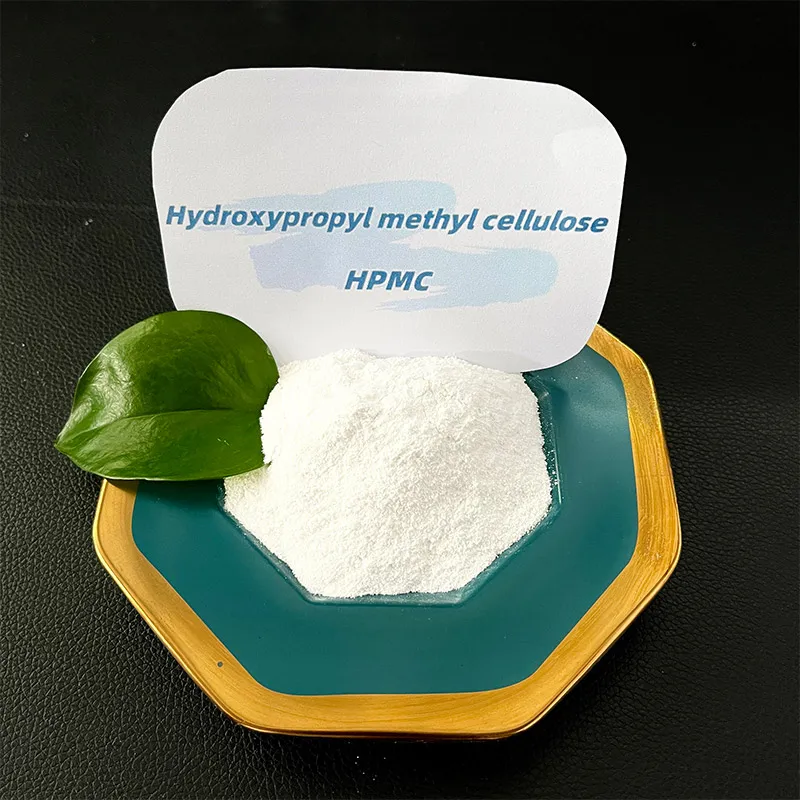
Hydroxypropyl methylcellulose (HPMC) has rapidly gained prominence in various industries due to its diverse applications, especially in products where pH levels are a critical factor. As a seasoned SEO specialist, understanding the nuances of HPMC's interaction with pH can immensely benefit your content strategies, particularly if your focus is on product-centric topics with a foundation in real-world expertise and authority. HPMC is a chemically modified cellulose derived from natural sources, predominantly used as an emulsifier, thickening agent, film former, and binder. A key attribute making HPMC invaluable is its stability across a broad range of pH levels. This stability is crucial for industries such as pharmaceuticals, construction, food processing, and personal care products. When discussing HPMC in the context of pH , it’s essential to highlight its exceptional performance in pharmaceutical formulations. In drug delivery systems, particularly controlled-release tablets, the pH stability of HPMC ensures consistent drug liberation irrespective of the varying pH conditions found within the human gastrointestinal tract. This consistent performance not only enhances therapeutic efficacy but also assures patients and healthcare providers of the dependability of the pharmaceutical product. In the realm of construction, HPMC contributes significantly as a critical component in dry mix mortars. The pH stability of HPMC ensures that the product can withstand the alkaline environment of cement and lime-based mixes, maintaining its functional properties such as water retention. Builders and engineers often rely on this characteristic, as it guarantees the durability and quality of the constructed infrastructure, especially in environments with fluctuating pH levels due to weather conditions or chemical exposures. hpmc ph Food processing industries also leverage the pH stability of HPMC. As a food additive, it acts as a stabilizer and emulsifier in various products, including sauces and dressings, where the pH can vary significantly. Its compatibility with different pH levels helps manufacturers maintain texture and stability, even in acidic or alkaline environments, boosting consumer trust in product consistency. Furthermore, in personal care products like shampoos and lotions, HPMC is prized for its ability to remain stable across different pH levels. This characteristic ensures that products retain their desired viscosity and consistency, delivering a consistent user experience. Formulation scientists often prioritize HPMC in product development due to its adaptability and reliable performance, which in turn fosters consumer confidence in the brand and product. Ensuring that content on HPMC and pH focuses on these real-world applications not only meets the criteria of expertise and authoritativeness but also bolsters trustworthiness. As consumers and industry professionals alike seek comprehensive and reliable information, the emphasis should be placed on drawing from empirical studies, case analyses, and testimonials from industry experts. This approach not only enhances the content’s SEO value but also solidifies the website’s reputation as a credible source of in-depth knowledge. Creating unique content that addresses the specifics of HPMC’s performance across various pH levels can set your website apart. Highlighting innovative uses, expert insights, and verified successes within different industries not only aligns with Google’s key metrics of Experience, Expertise, Authoritativeness, and Trustworthiness but also provides valuable, irreplaceable content for users seeking specialized knowledge.
advantages
-

200000 Viscosities
Excellent product
We can produce pure products up to 200,000 viscosities
-

40000 tons
High yield
We don’t stop production all year round, and the annual output can reach 40,000 tons
-

24 hours
Quality service
We provide 24-hours online reception service, welcome to consult at any time
———— Inquiry Form
Schedule A services
-
 serat_yang_diproduksi
Oct . 25, 2025
Hydroxypropyl methylcellulose (HPMC), a versatile pharmaceutical excipient, plays a crucial role in -
 fine_rubber_powder
Oct . 25, 2025
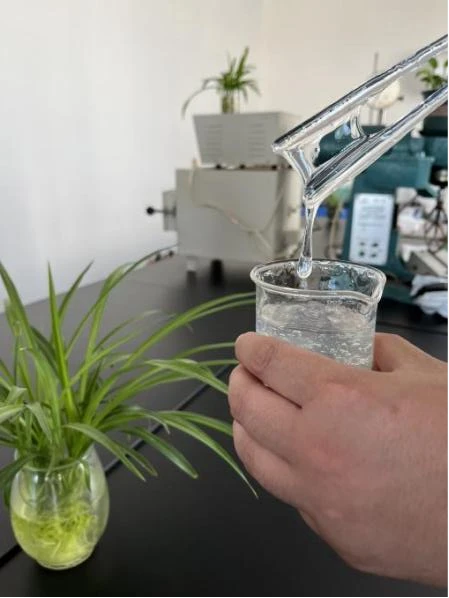
How to Make HPMC Gel A Step-by-Step Guide Hydroxypropyl methylcellulose (HPMC) is a versatile polyme - hpmc_e5_viscosity
Oct . 25, 2025
hpmc buy


